Contrarian Strategies for Line Shopping in Emerging Esports Competitions
Klara Beck · Jul 27, 2026
Contrarian Strategies for Line Shopping in Emerging Esports Competitions
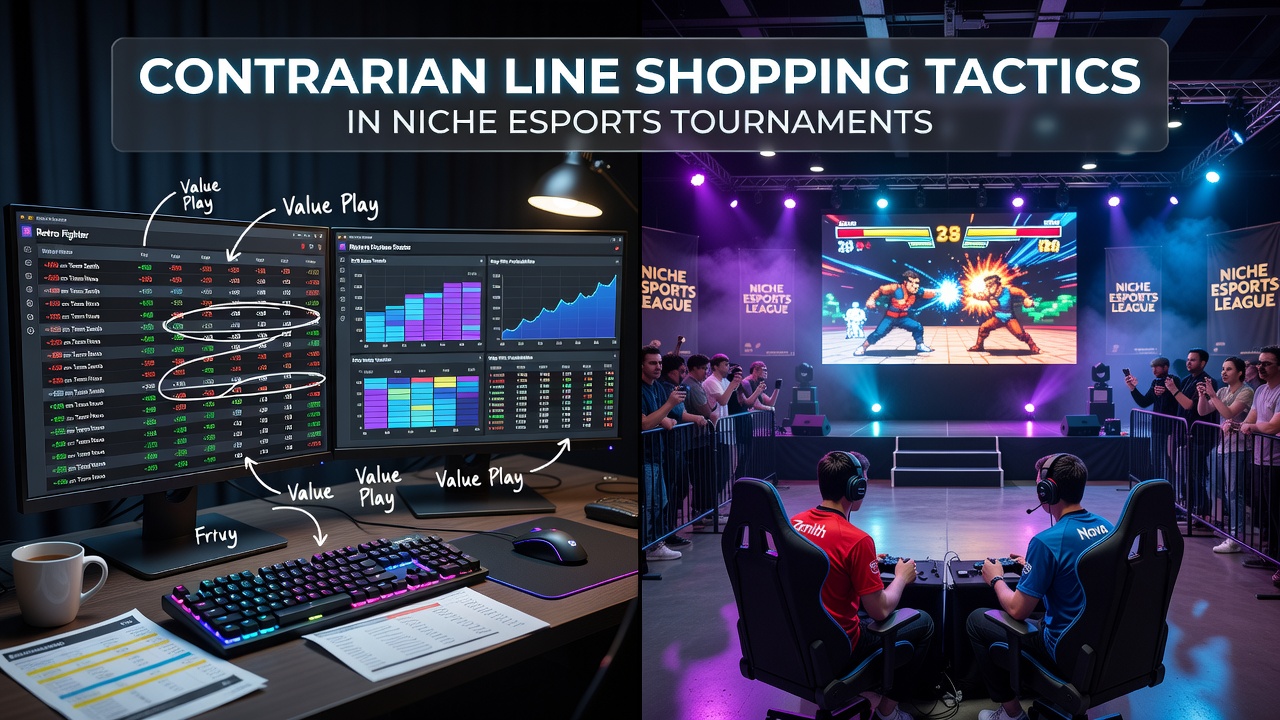
Contrarian line shopping involves identifying discrepancies across betting markets where public sentiment has skewed odds away from true probabilities, and this approach gains particular traction in niche esports tournaments that receive limited mainstream coverage. Observers note that smaller competitions in titles such as Valorant regional qualifiers, Dota 2 amateur circuits, and fighting game community events often feature lines that move slowly or inefficiently compared with major leagues. Data from industry reports indicates that bettors who monitor multiple books simultaneously can capture edges when sharp money enters after initial public wagers have already distorted the market.
Understanding Line Movement Patterns in Lesser-Known Events
Line shopping starts with tracking how odds adjust across offshore and regulated platforms as tournament brackets progress, and researchers have documented that niche esports events produce wider variances because fewer sharp bettors participate early. According to analyses from the Nevada Gaming Control Board on emerging digital sports betting, movements in these markets frequently lag behind actual team performance metrics by several hours. Those who compare opening lines with live adjustments often spot situations where one book has already incorporated injury reports or roster changes while competitors have not yet reacted.
But here's the thing: volume remains low in these tournaments, so a single large wager from an informed source can shift an entire market without drawing immediate attention from other operators. Experts have observed that waiting for the line to stabilize after the first wave of public bets creates opportunities for contrarian entries. This method relies on patience rather than speed, since rapid market corrections happen less often when total handle stays modest.
Practical Tactics for Identifying Value Across Books
Effective practitioners maintain accounts at multiple sportsbooks and set alerts for specific player props or match totals that appear in niche brackets. Research indicates that focusing on secondary markets such as first blood percentages or map win margins yields higher discrepancies than standard moneyline bets. A study published through academic channels at the University of Nevada Reno highlighted how esports data feeds sometimes update faster than oddsmakers adjust their models during lower-tier events.
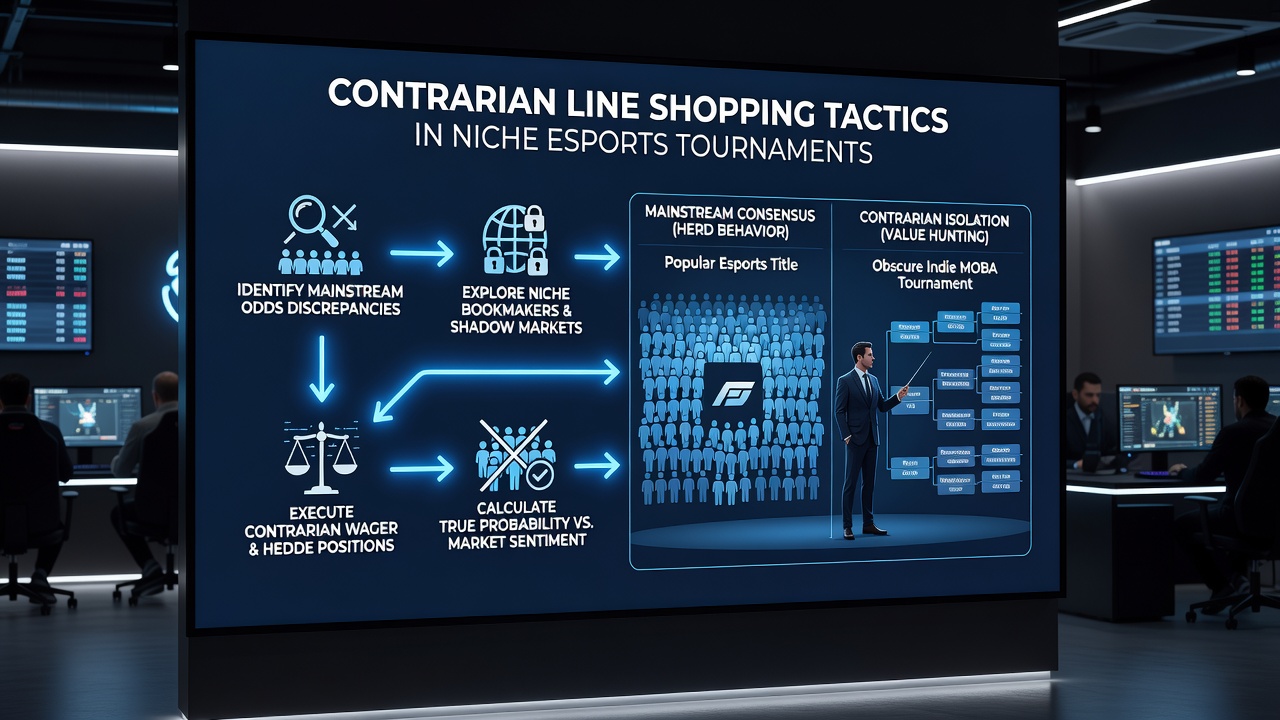
Take one documented case where analysts tracked a South American League of Legends cup in July 2026. Early lines favored established squads based on prior season results, yet updated roster data showed key substitutions that several books overlooked. Bettors who shopped the underdog side across platforms secured better numbers before the market corrected after the first round of matches. What's interesting is that similar patterns repeat when regional fighting game tournaments occur outside peak viewing hours, because liquidity drops and line movement slows.
Timing and Market Selection Considerations
Timing plays a central role because contrarian positions often require holding through initial volatility. Data shows that lines in niche events can remain inefficient for up to 48 hours after bracket announcements if public interest stays minimal. Those who've studied these patterns recommend prioritizing tournaments with at least four competing regions, since cross-regional data becomes harder for oddsmakers to synthesize quickly. And yet the same reports note that single-region events can produce even larger edges when local knowledge gaps exist between books.
External factors such as patch updates in competitive titles also influence line accuracy, and contrarian shoppers cross-reference patch notes against current odds before committing. Industry organizations like the Esports Integrity Commission have published guidance on how data transparency affects betting markets, underscoring the importance of verifying multiple information sources. Observers note that combining statistical models with real-time roster checks helps isolate situations where public perception has outpaced available facts.
Conclusion
Contrarian line shopping in niche esports tournaments centers on systematic comparison across books, careful monitoring of line movements, and selective focus on secondary markets where inefficiencies persist longer. Figures reveal that consistent application of these methods depends on access to multiple platforms and timely data feeds rather than volume betting. As more regional circuits gain visibility, the window for such edges may narrow, yet current patterns suggest the approach remains viable in events that continue to fly under broader attention.