How Mountain Heights Alter Competitor Results and Course Setups in Alpine Sports
Gisela Lange · Jun 1, 2026
How Mountain Heights Alter Competitor Results and Course Setups in Alpine Sports
Altitude changes the way oxygen reaches working muscles and forces event organizers to reconsider start positions plus gate placements in alpine competitions; researchers have tracked these shifts across multiple winter seasons while data from governing bodies shows consistent patterns in both endurance outputs and technical adjustments. Athletes training above 2,000 meters experience measurable drops in aerobic capacity that appear within days of arrival yet recover partially through acclimatization protocols documented by sports science teams in North America and Europe.
Physiological Responses at Elevation
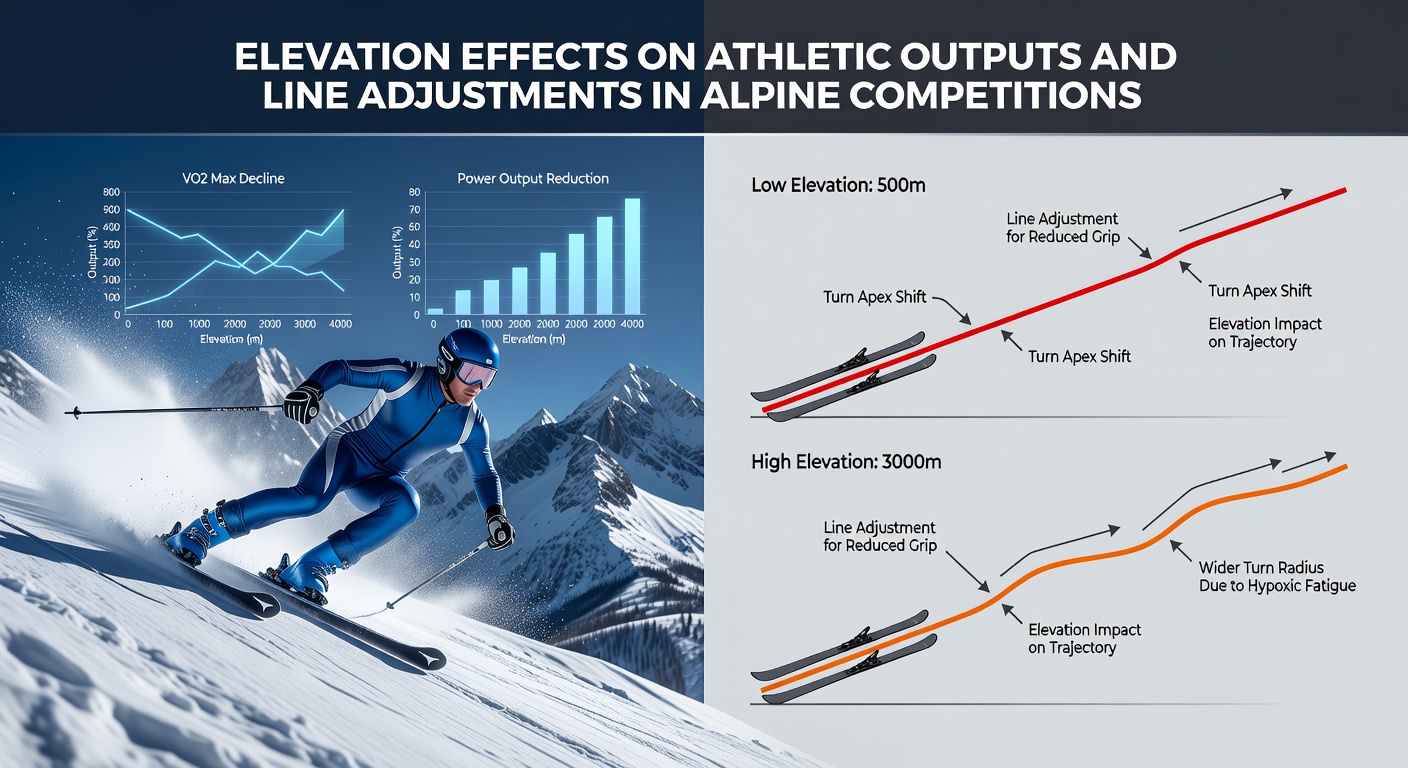
Lower partial pressure of oxygen reduces maximum oxygen uptake by roughly 7 to 10 percent for every 1,000 meters gained according to studies conducted at the University of Calgary and similar high-altitude laboratories. Heart rate rises to compensate while stroke volume falls and blood becomes thicker as the body produces additional red cells over a period of two to three weeks. Those who've studied elite skiers note that explosive power outputs remain closer to sea-level norms because anaerobic efforts rely less on oxygen delivery yet sustained efforts across longer courses suffer clear declines.
Coaches adjust training blocks so that athletes complete key interval sessions at lower elevations before traveling to competition sites while recovery periods incorporate monitored rest to offset sleep disruption common above 2,500 meters. Figures released by the International Ski Federation reveal that events held above 2,800 meters require extra medical staffing and modified warm-up routines to reduce incidence of altitude-related discomfort reported by competitors.
Course and Line Modifications by Organizers
Event directors respond to elevation by shortening certain race segments or repositioning start gates to maintain safety margins when snow conditions and reduced air density alter speeds. In giant slalom and downhill disciplines the vertical drop sometimes decreases by 50 to 100 meters at venues like those in the Canadian Rockies compared with lower European resorts. Timing systems receive recalibration because thinner air changes aerodynamic drag on both athletes and equipment which in turn affects recorded splits.
Alpine federations in the United States and Switzerland publish annual guidelines that include formulas for gate spacing based on elevation profiles while course setters receive training on how to interpret wind patterns that behave differently at height. Data collected during the 2024-2025 season showed that start-line adjustments occurred at 14 of 22 World Cup venues situated above 1,800 meters with average reductions in vertical drop measuring 7 percent.
Examples from Recent Competitions
Take the 2025 World Cup stop at Lake Louise where officials moved the women's downhill start 80 meters lower after weather models predicted sustained winds above 3,000 meters. Athletes recorded average speed reductions of 4.2 kilometers per hour on the upper sections compared with the previous year yet completed times remained competitive after the line change. Observers noted that the adjustment preserved ranking integrity while limiting risk of high-speed crashes on the exposed ridge section.
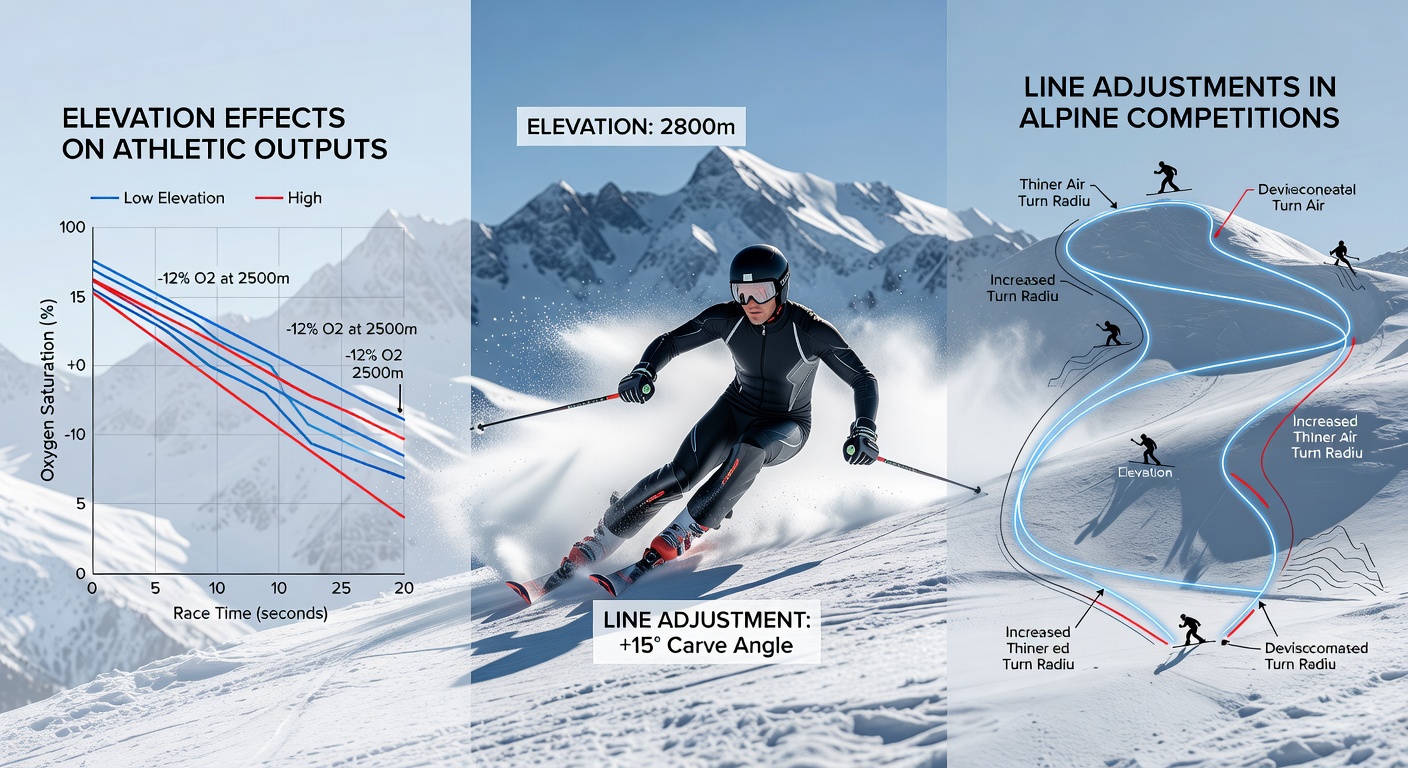
Another case emerged during the European Cup series in Austria when organizers shortened a super-G course by two gates after multiple training runs produced unexpectedly high velocities at 2,650 meters. The modification brought finishing speeds back within safety thresholds established by the Austrian Ski Association and allowed the event to proceed on schedule. Research teams from the University of Innsbruck collected physiological data throughout the weekend and confirmed that heart-rate recovery times lengthened by an average of 18 seconds between runs for athletes who had arrived only 48 hours earlier.
Data Trends Through Mid-2026
Preparations for the 2026 Winter Games in Milano Cortina include ongoing monitoring of elevation effects at test events scheduled for June 2026 in the Dolomites where several alpine disciplines will run at altitudes exceeding 2,400 meters. Reports from the Italian Winter Sports Federation indicate that provisional start-line placements already incorporate a 6 percent reduction in vertical drop relative to original plans while medical protocols emphasize pre-acclimatization camps at 1,800 meters. Similar adjustments appear in planning documents released by Canadian and Swiss organizers who coordinate with the International Olympic Committee on standardized elevation guidelines.
Statistical reviews of World Cup results from 2018 through 2025 demonstrate that podium times at venues above 2,500 meters show greater variability in the first two days of competition before stabilizing as athletes adapt. The pattern holds across both technical and speed events and supports the practice of scheduling training runs at competition altitude whenever logistics permit.
Conclusion
Elevation continues to shape both individual athletic outputs and the technical decisions made by competition organizers in alpine sports. Adjustments to start lines and course configurations remain essential tools for maintaining fairness and safety while physiological data guides training and medical support. Ongoing research and coordination among federations across multiple countries ensure that these modifications keep pace with new performance insights and venue requirements heading into future seasons.