Late Roster Announcements and Their Influence on NBA Regular Season Moneyline Dynamics
Gisela Lange · Aug 21, 2026
Late Roster Announcements and Their Influence on NBA Regular Season Moneyline Dynamics
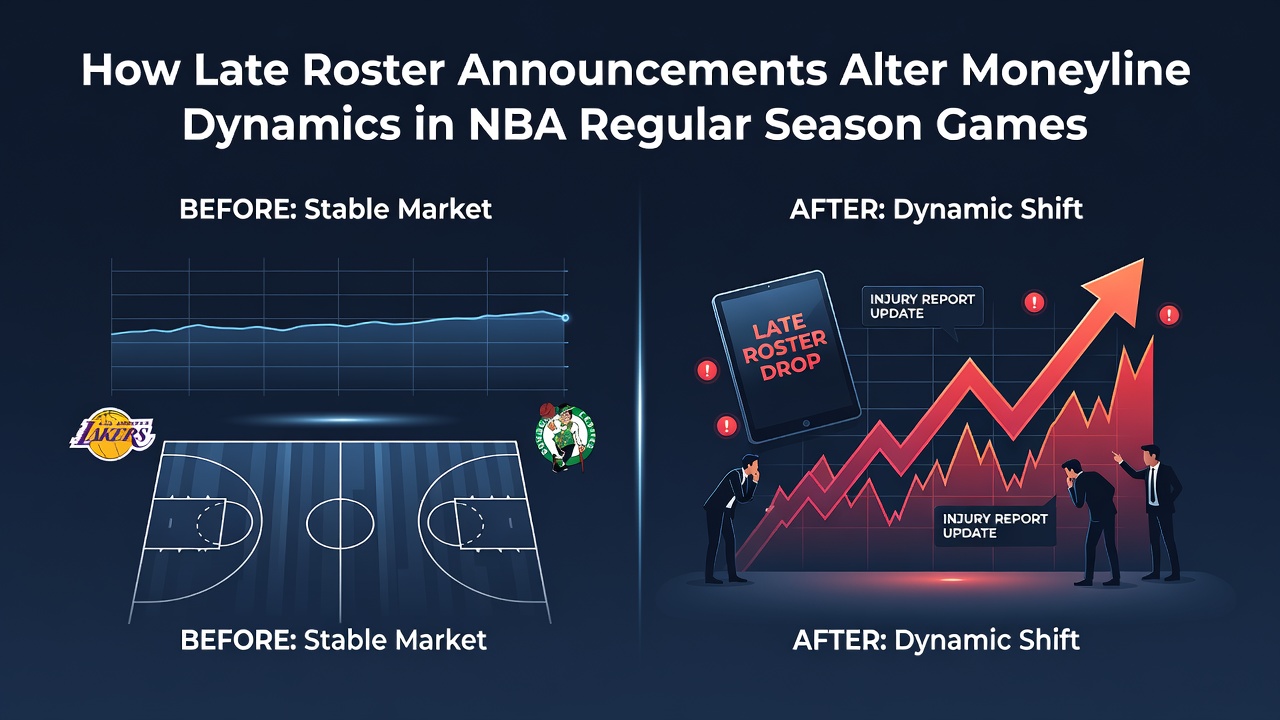
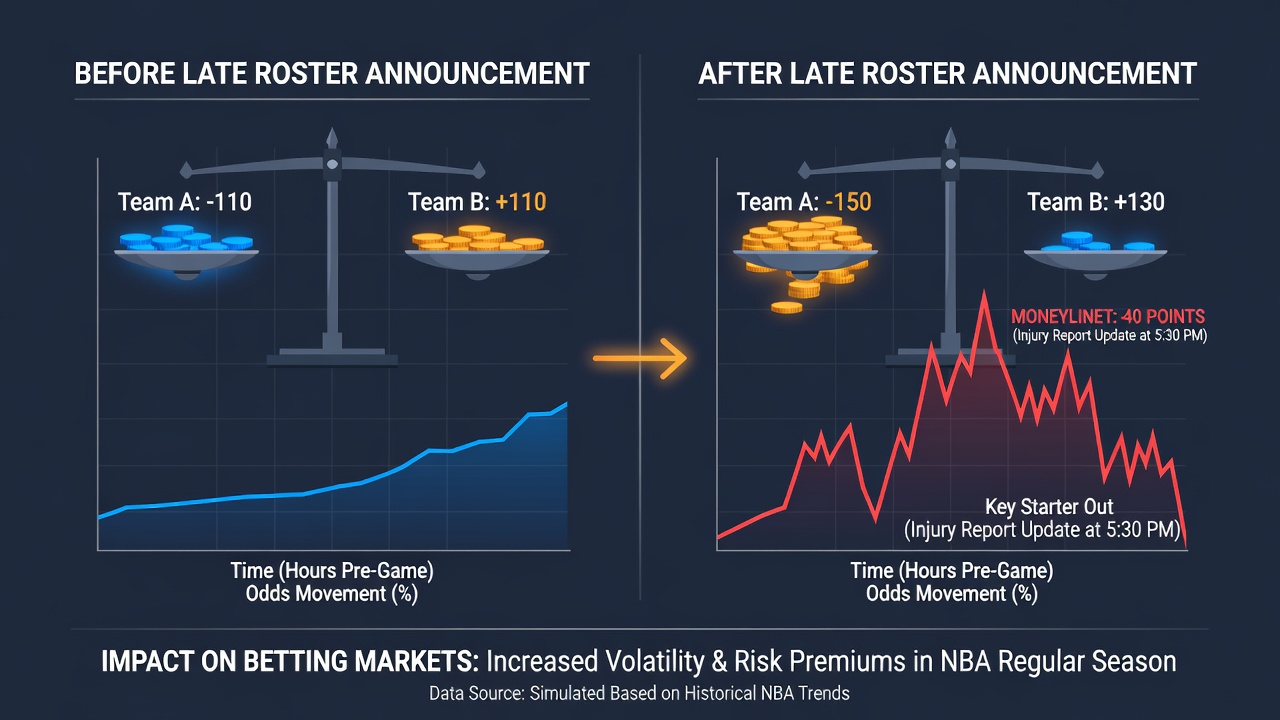
Late roster announcements occur when teams finalize player availability close to game time, and these updates directly affect moneyline odds in NBA regular season contests because oddsmakers adjust prices based on confirmed starting lineups and injury reports. Research from sports analytics groups shows that moneylines can shift by as much as 20 to 40 points when a star player receives a last-minute ruling, since the absence changes projected win probabilities for both sides.
Teams submit injury reports throughout the day, yet many decisions about load management or sudden illnesses surface only hours before tipoff, which forces sportsbooks to recalibrate their models in real time. Data compiled across multiple seasons indicates that games with such announcements see heightened betting volume in the final window before tipoff, as sharp bettors react to the revised information while casual participants follow the movement.
Mechanics of Moneyline Adjustments
Moneylines represent the amount one must wager to win a set profit on a team victory, and late changes in personnel alter these figures through updated statistical projections that account for player efficiency ratings and matchup advantages. When a high-usage guard sits out, for example, the opposing team's implied win percentage rises, which pushes its moneyline from -120 toward -160 or tighter in some cases.
Bookmakers monitor multiple data streams including real-time injury feeds and historical performance splits without the affected players, then publish revised lines that reflect the new equilibrium. Observers note that this process often triggers correlated movements across related markets such as player props and totals, creating a cascade effect visible in the odds board.
Timing Patterns in Regular Season Games
Regular season schedules feature back-to-backs and road trips that increase the likelihood of late decisions, particularly during the stretch from January through March when fatigue accumulates across rosters. Studies of betting market behavior reveal larger line movements on Monday and Thursday nights, periods that coincide with condensed schedules and more frequent rest announcements.
August 2026 offseason preparations, including training camp planning and media day schedules, set the stage for how teams communicate availability policies ahead of the following regular season, though actual game-day impacts emerge only once play begins in October. Historical records show that teams with stricter early reporting policies experience fewer dramatic shifts compared with those that delay disclosures until the final hours.
Market Reactions and Volume Spikes
Betting exchanges and traditional sportsbooks both register increased handle when roster news breaks late, with sharp money often leading the charge on the side that benefits from the absence. Figures released by industry tracking services demonstrate that average moneyline movement accelerates in the 90 minutes preceding tipoff during games that feature such announcements, compared with contests where lineups stabilize earlier.
Those who track line history observe that the biggest swings happen when multiple key contributors receive simultaneous rulings, because the combined effect compounds the change in expected outcome. One documented instance involved a Western Conference matchup where two starters were ruled out within 45 minutes of game time, resulting in the moneyline crossing the key -150 threshold and triggering limit adjustments from several operators.
External Factors and Reporting Requirements
NBA collective bargaining agreements mandate injury reporting windows, yet enforcement allows flexibility that teams exploit for competitive reasons, which in turn influences how quickly markets incorporate the data. NBA official rules outline these timelines, while independent research from the MIT Sloan Sports Analytics Conference quantifies the downstream effects on betting lines across recent seasons.
Regional differences appear as well, with West Coast games sometimes seeing later adjustments due to time zone considerations that affect when Eastern books finalize their numbers. Data sets covering five consecutive seasons indicate that games starting after 10 p.m. Eastern time display modestly larger late movements on average.
Conclusion
Late roster announcements continue to drive measurable changes in NBA regular season moneyline dynamics through their direct impact on projected team strength and subsequent oddsmaker responses. Patterns in timing, volume, and movement size remain consistent across seasons, providing clear data points for those who analyze market behavior. As reporting practices evolve with new league policies, the relationship between availability news and line movement will likely persist in similar form.