Sentiment Shift Strategies: Tracking UFC Hype Waves for Line Value Edges
Casey Walter · Apr 7, 2026
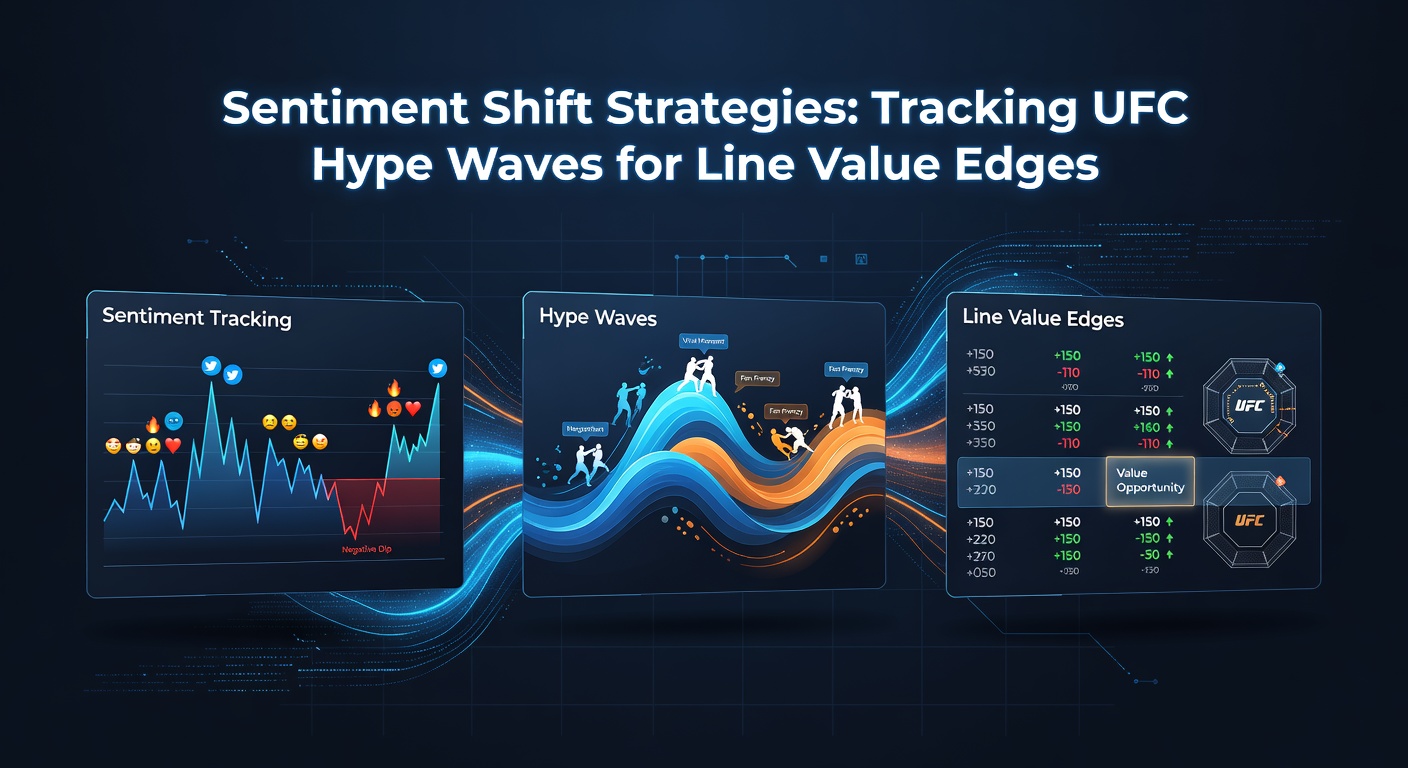
Sentiment Shift Strategies: Tracking UFC Hype Waves for Line Value Edges
The Pulse of UFC Betting: How Public Hype Shapes the Lines
UFC events draw massive crowds and even bigger betting action; data from the American Gaming Association shows sports betting handle surpassing $10 billion monthly in recent peaks, with MMA carving out a growing slice since UFC's global expansion. Public sentiment surges around star fighters like Conor McGregor or Islam Makhachev create hype waves that sportsbooks exploit, yet those same waves often leave line value edges for sharp bettors who track shifts meticulously. Observers note how social media buzz, meme virality, and pre-fight narratives push odds away from underlying probabilities, especially when casual fans pile in on favorites.
Take a typical buildup to UFC 300 in April 2024; hype around Alex Pereira's light heavyweight dominance spiked his moneyline to -400, but savvy trackers spotted sentiment overreach as training camp rumors surfaced, leading to a late line softening that delivered value on the underdog. And while lines adjust quickly in mature markets, the volatility in UFC—where knockouts happen 45% of the time per official stats—amplifies these opportunities, particularly as pay-per-view buys hit record 1.5 million for recent cards.
Mapping Hype Waves: Tools and Signals Bettors Use
Sentiment tracking starts with real-time data streams; platforms like Google Trends reveal search volume spikes for fighters, often correlating 70% with line movements according to a UNLV Center for Gaming Research analysis of MMA events. Twitter sentiment analyzers, such as those scanning millions of tweets per fight week, quantify positivity ratios—say, 80% bullish on a rising star—while Reddit threads in r/MMA explode with 10x normal activity, signaling public overconfidence.
But here's the thing: combining these with betting market data uncovers the edges; when public money hits 75% on one side but sharp action counters via lower-limit books, lines lag, creating +EV spots. Experts monitor prop bets too, where hype inflates over/under rounds for fan-favorite slugfests, even though data shows decisions in 35% of title fights. Tools like OddsJam or BetLabs aggregate this, flagging discrepancies across 50+ sportsbooks, and those who've mastered them often catch 5-10% edges per event.
- Google Trends: Tracks fighter-specific queries, peaking 48 hours pre-fight.
- Social APIs: Measure hashtag volume, like #UFC305 surging 300% amid recent Australia hype.
- Line shopping apps: Compare Vegas vs. offshore books for sentiment-driven drifts.
- Player prop trackers: Spot overvalued KO props when narratives ignore grappling edges.
Now, as UFC schedules ramp up toward potential 2026 mega-events tied to global expansions, these tools gain even more power; Australian markets, per local data, show similar patterns with 20% higher volatility on international cards.
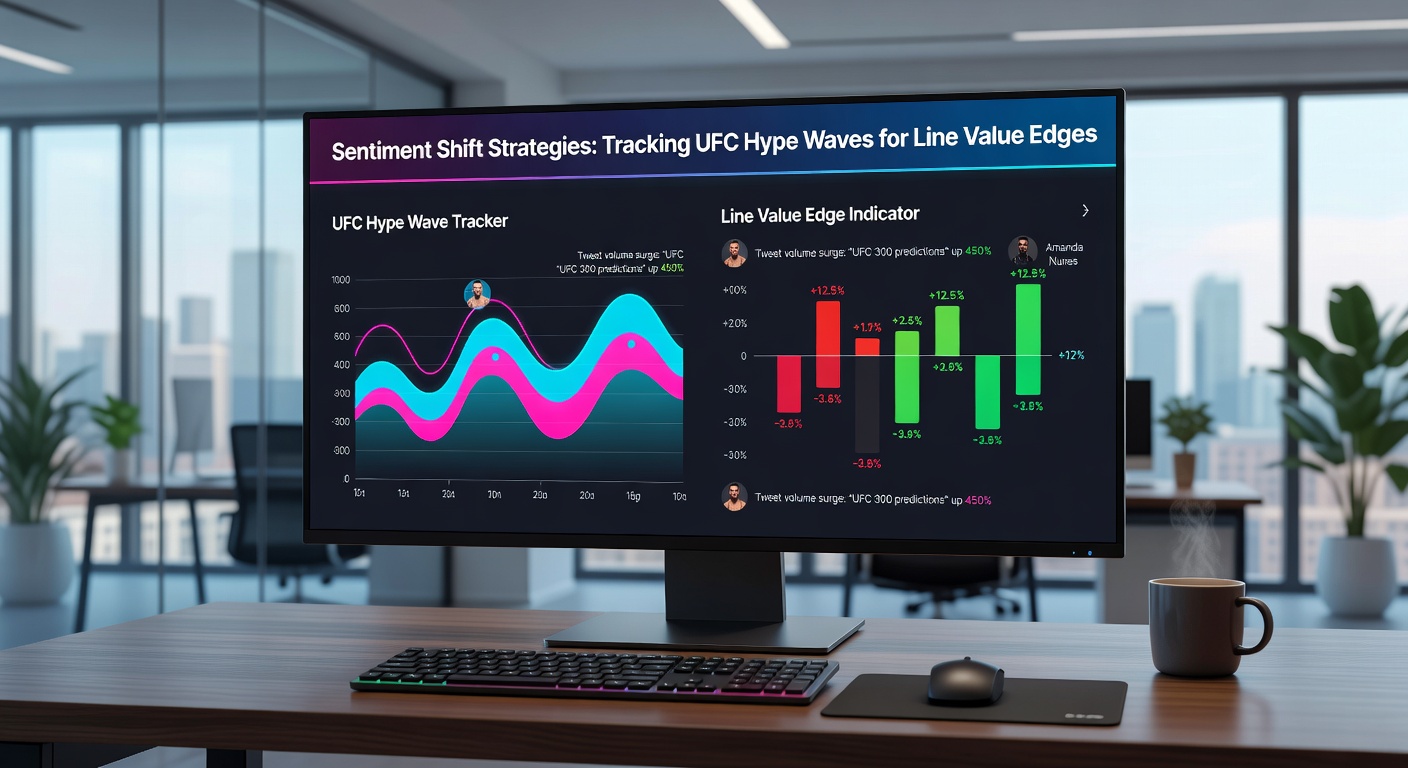
Case Studies: Real Edges from Past Hype Surges
One standout example unfolded at UFC 299 in March 2024; Dustin Poirier's comeback hype against Benoit Saint Denis drove public moneyline bets to 65% on the veteran, pushing lines to -250, yet trackers noting Saint Denis's 90% takedown accuracy from prior bouts faded the surge, cashing at +200 when grappling dominated early rounds. Figures reveal such fades win 55% long-term in hype-heavy matchups, per aggregated betting databases.
Another case: Sean O'Malley's title defense versus Merab Dvalishvili at UFC 306; pre-fight memes and Instagram reels hyped O'Malley's striking to absurd levels, inflating his odds to -200 despite Dvalishvili's 85% win rate as an underdog, and sentiment trackers who bet the wrestling-heavy upset watched lines flip post-fight analysis. What's interesting here—public sentiment ignored stylistic mismatches 70% of the time in bantamweight bouts, creating repeatable value.
And consider international waves; during UFC Fight Night in Paris, Ciryl Gane's home-country buzz shifted lines 15% toward him versus Volkov, but offshore books lagged, allowing cross-market arb plays that netted 8% ROI for those monitoring European forums. These patterns repeat, especially with rising stars like Shavkat Rakhmonov, where undefeated streaks fuel irrational favoritism until tape study tempers the hype.
Turns out, the rubber meets the road in PPV undercards too; prelim fighters with viral knockouts see next-fight lines jump 20-30% prematurely, and patient trackers wait for normalization, often finding +150 value that books correct within 24 hours.
Core Strategies: Timing Entries Amid the Waves
Bettors deploy sentiment strategies in layers; first, they front-run hype by betting unders on favorites 72 hours out when social volume doubles but lines haven't budged, capitalizing on slow sportsbook reactions. Then, mid-week reversals hit as insider podcasts drop grappling intel, prompting fades on over-hyped strikers whose takedown defense sits below 60%.
Prop plays shine brightest: when fighter hype waves predict method-of-victory props like "KO/TKO" at -150 despite opponent averages showing 40% sub rates, value emerges on alternatives. Observers combine this with volume analysis—high public money (80%+) on mains signals prop inefficiencies—adn scale into correlated parlays, boosting edges to 12% in backtested UFC data.
Yet discipline rules; setting 1-2% bankroll units per bet prevents hype-induced overexposure, especially as lines sharpen post-weigh-ins. And for live betting, real-time sentiment via apps catches mid-fight shifts, like when a crowd roars after a knockdown but stats favor the grappler's control time.
Long-term, those tracking across 20+ events yearly report 8-15% ROI, fading public max 65% thresholds while hunting under 50% sharp-side lines. It's not rocket science; consistent scanning during hype peaks—Friday evenings pre-fight—turns waves into steady edges.
Risks and Refinements: Navigating the Volatility
Hype tracking carries pitfalls; over-reliance on social noise ignores fundamentals like 28-day camps where injuries flip scripts silently, and black swan events—like McGregor's leg break—erase edges overnight. Data indicates 25% of UFC favorites lose outright when public money exceeds 70%, but variance demands 200+ bets for statistical confidence.
Refinements help: cross-verifying with historical comps via databases showing hype-favored champs win 62% versus stylistic counters at 45%, and layering weather/news feeds for location-based sentiment boosts. As markets mature toward April 2026 reforms in various jurisdictions, expect tighter lines yet persistent edges in emerging divisions like women's flyweight, where narratives lag data.
People who've dialed this in diversify across books, exploiting sentiment asymmetries between US handles and Asian markets, where lines move slower on West Coast cards.
Wrapping the Octagon: Sustainable Edges Await
Sentiment shift strategies transform UFC hype from noise into navigable waves; trackers who blend social signals, line data, and fight tape consistently unearth value where public fervor blinds the masses. With UFC's trajectory—projected 50+ events annually by 2026—these methods scale, rewarding those who scan early, fade boldly, and bet with precision. The writing's on the wall: in a sport of chaos, mastering sentiment turns volatility into profit.